
by admin | Sep 10, 2026 | Behind the Bucking Chutes
By Scott Hilgendorff / Cowboys of the Cross
When it comes to God, many cowboys have an authority problem and it can be one of the biggest reasons a man holds back from giving in to a saving faith in Jesus.
Whether on the ranch or rodeo side of our cowboy cultures, there is a lot of reasons a cowboy needs or develops a sense of independence. It can be a ranch hand sent out to check and mend fences after a storm or a bronc rider depending on his own strength to make that eight second ride.
Physical strength and hard work generate rewards from a herd getting to market to a bulldogger making the pay window. We’re proud of our accomplishments and our independence, but when pride keeps us from recognizing it’s God who even allowed it in the first place, it becomes a sin.
Proverbs 21:4 A haughty look, a proud heart, and the plowing of the wicked are sin.
Cowboys honor strength and independence and the idea of submitting to a higher authority can be tough, yet we’re told every person will submit, one way or another.
Philippians 2: 9-11 Therefore God has highly exalted him and bestowed on him the name that is above every name, 10 so that at the name of Jesus every knee should bow, in heaven and on earth and under the earth, 11 and every tongue confess that Jesus Christ is Lord, to the glory of God the Father.
Paul is explaining in this letter that everyone will come to a realization that Jesus is Lord, meaning we submit to and follow him now through a saving faith in Jesus or we realize later, when it’s too late, how real God’s authority was through Jesus. We realize this as we see the truth of Heaven and Hell and face God’s judgment.
But God wants us all to be with Him and through a saving Jesus, we all can have an eternity in Heaven. James uses strong language as he urges us to submit to God.
James 4:7-10 Submit yourselves, then, to God. Resist the devil, and he will flee from you. 8 Come near to God and he will come near to you. Wash your hands, you sinners, and purify your hearts, you double-minded. 9 Grieve, mourn and wail. Change your laughter to mourning and your joy to gloom. 10 Humble yourselves before the Lord, and he will lift you up.
James is telling us we need to resist sin and temptations that keep us from a saving faith. But that takes recognizing our pride is a sin we have to resist in order to recognize Jesus is Lord of our lives. Being humble can be hard but it’s necessary to recognize God’s authority.
When we can do this, you don’t lose the feeling of independence out there fixing fence with just you and your horse. You don’t lose the sense of success when you make your first eight second ride. You gain an understanding that it was through God’s will and authority that you are where you are and we begin to seek ways to honor and glorify Him in all we do.
by admin | Aug 26, 2026 | Behind the Bucking Chutes
By Scott Hilgendorff / Cowboys of the Cross
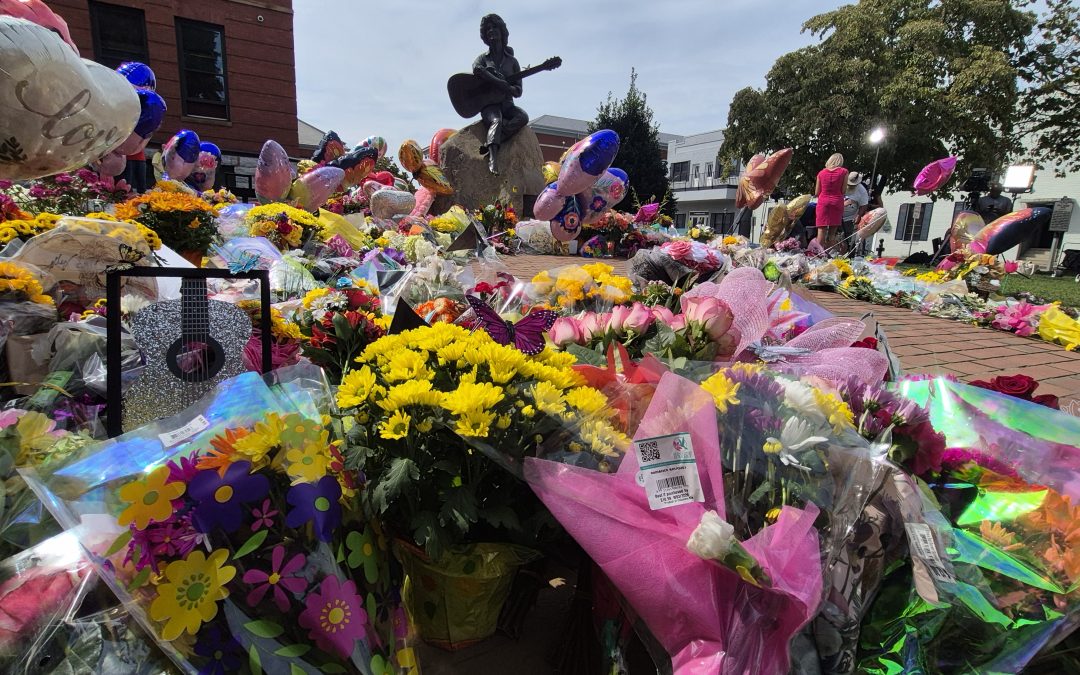
Everyone talks like they knew “Dolly” on a first name basis because in a sense, Dolly Parton belonged to everyone through her work, personal way of communicating and her giving.
Christians claim Dolly as theirs because of her expressions of faith.
Progressives claim her as theirs because of her support of loving others even if they’re different from you.
Everyone claims her as their because she literally personifies the American Dream no matter what your politics. She came from nothing here in Sevier County where I get to live, and built herself an entertainment empire that will continue on likely until Jesus comes back.
Dolly’s story gives everyone hope that with hard work and dedication, they can make it.
My reason for being on social media is primarily to be connected with the rodeo and ranching cowboy communities through Cowboys of the Cross. I’m writing this encouragement for you.
Whether you like country music, whether you were born 75 years ago or 15, you know who Dolly Parton is. Many of you have made the trek to Gatlinburg and Pigeon Forge and I’ve seen many of you post right from Dollywood.
Whether ranching or rodeoing, you guys know you can’t make it without hard work and dedication. And we know we live in an imperfect and unfair world where not everyone makes it.
Being a Christian cowboy is the same thing. Where Dolly’s success story gives us all hope in what we can achieve here, there’s one more important hope we need to let her faith point us to and that’s the hope that comes in Jesus Christ. It’s an eternal hope where we know even if we don’t make it here, there’s something even greater waiting for us after this life if we put our hope in Jesus.
A saving faith in Jesus, one that guarantees us Heaven, comes from this understanding:
God, who we know is perfect, will not allow our imperfect sin into His presence. He will actually judge and condemn it. Jesus, as God’s son, was sent to live in this world and eventually die on the cross as a sacrifice meant to take God’s full wrath against all of our sins. When we believe in who Jesus was, and is, and what he did for us, we then need to repent of our sin with a sincere desire to be saved and forgiven from God’s judgment. When we do this, God will no longer condemn us but see as us perfect regardless of who we are and we’re given a perfect eternity with Him.
Dolly Parton advocated kindness and to love everyone. This is how God does it—by giving every one the same chance to be saved and spend eternity with Him, no matter who we are and what mistakes we’ve made. He loves us all and wants us with Him for eternity.
That’s a hope that transcends the American Dream and gives us everything we need, success or failure in our own eyes or the eyes of others who wrongly judge us, to make it through this life and to the perfect one waiting for us.
Ephesians 2:8-10 For by grace you have been saved through faith. And this is not your own doing; it is the gift of God, not a result of works, so that no one may boast. For we are his workmanship, created in Christ Jesus for good works, which God prepared beforehand, that we should walk in them.
by admin | Aug 11, 2026 | Behind the Bucking Chutes
By Scott Hilgendorff / Cowboys of the Cross
One little four-letter words from the New Testament can be big stumbling block for someone living a cowboy lifestyle: love.
The reason we stumble is because we don’t understand the meaning of the word in a biblical context.
Many scholars focus on three main Greek words that translate to “love” and appear in the scriptures we get our English translations from: agape, phileo and eros. When we see the word in the Bible, it is mostly as agape or phileo and we need to know which Greek word it connects with. Agape means an unconditional and sacrificial love. Phileo means a deep friendship or brotherly love. Eros is the romantic word that we most often associate with the word love.
Almost every cowboy, believer or not, has encountered the first form of the word in the verse from John 3:16, For God so loved the world that he gave his one and only Son, that whoever believes in him shall not perish but have eternal life.
It isn’t a romantic love that led Jesus to die on the cross for us but a sacrificial one that caused him to give up his own life knowing it would create a way for any of us to be with him in Heaven. This comes to us through our repentance of our sins, our desire to be forgiven of those sins and our belief in who Jesus was and what he did in that loving, sacrificial moment.
It’s this kind of love that God used to draw me away from a successful career and into ministry full time, living for a time in my van just to make it work. Negative stereotypes exist for a reason and give people reasons to find the cowboy crowd pretty unlovable, or even unlikable, sometimes for the way they live or conduct themselves. God built in me a deep caring, love, if you will, for the cowboy community and it’s why I’m available 24 hours a day if any from the ranch or rodeo side reaches out to talk or in need.
Love from the word “phileo” is demonstrated in the story of Lazarus and his resurrection by Jesus. John 11:3 So the sisters sent word to Jesus, “Lord, the one you love is sick.” People Jesus had a close personal relationship with sent for Jesus when he was gravely ill and referred to the deep brotherly love he had for Lazarus.
This is a love most rodeo cowboys should be able to understand. While many may not use the word, “love” to describe how they feel about the other competitors they are closest to but they still understand the deeper connection they have for that person that causes them to care about the person’s life and successes or failures more than they do someone they don’t know as well.
The love we most often associate the word with is eros yet it doesn’t even appear in the New Testament. This is the romantic love we all know and understand and while the Greek word isn’t used, this type of love still exists in scripture from the Song of Solomon to New Testament teachings on marriage.
It’s the first way we understand the word love that should motivate a Christian cowboy to take action. Jesus calls us to live out a sacrificial love for others, even our enemies. This is action, often difficult and not something that should ever leave us thinking love is a weak word. Love takes sacrifice and is seen more than it’s felt. It’s seen when we give money to a homeless person and it’s seen when we take time to tell someone about Jesus and his own demonstration of love on that cross. Because he loved us in that way, he asks us to love others sacrificially as well.
That kind of love takes strength and because of that, should appeal to the cowboy crowd.
Neither brotherly love or sacrificial love should challenge a cowboy’s sense of masculinity. In fact, think about the men and cowboys you know out there and more often than not, it’s the ones who demonstrate these words in their own actions that are likely looked up to the most.

by admin | Jul 28, 2026 | Behind the Bucking Chutes
By Scott Hilgendorff / Cowboys of the Cross
Who we are as Christian men should be defined by Jesus’s teachings, the rest of the Bible and the work of the Holy Spirit as he works inside us as he helps us become more like Jesus.
There’s a real push from the political left against what they call toxic masculinity and many ideas from the Bible like man’s position in the family, upset people with those views who find those ideas offensive.
Then the political right pushes back against empathy, treating it like it’s a sign of weakness and goes against masculinity. It offends people with those views to suggest a man should care more about giving a family food than why they haven’t worked hard enough on their own to have what they need.
But let’s just focus on masculinity as a whole. A Christian man or cowboy’s masculinity can’t be toxic when he’s following Jesus but we have to be sure it’s his teachings we’re following, not our own versions. That’s where ideas that empathy is entirely wrong can creep in to our thinking.
There’s no weakness in loving our neighbors. We can’t confuse that with the word “love” as an emotion toward your neighbor. We don’t even have to like them. In this context, love is an action and takes real strength; especially when it’s our enemies we’re also called to love. Love as action is helping others, encouraging them, correcting harmful behavior, speaking what is good, right and true, building a home for a family in Africa, volunteering at a homeless shelter near you or taking food to the neighbor you don’t like when his wife is in the hospital. And especially, it is pointing others to a saving and life-transforming faith in Jesus Love is in how we treat others, what we do for people and what we say to them.
Following Jesus will strengthen any man. He will take you places you never thought you could or would go and show you gifts and abilities you never knew you had. When they’re used to honor God and point others to Jesus, they can’t ever be toxic. But Jesus challenges us.
Luke 6:27-28 But to you who are listening I say: Love your enemies, do good to those who hate you, 28 bless those who curse you, pray for those who mistreat you.
There’s plenty of direction for how we’re to treat everyone from family to neighbors to strangers but the hardest might actually be doing good for someone who hates us. Living out just those two verses isn’t for the weak.
1 Corinthians 16:13 Be on guard; stand firm in the faith; be courageous; be strong.
Cowboys and bull hands, horsemen, cattlemen and ranchers, don’t let our society’s view of masculinity or our lack of understanding of what the Bible teaches about love keep you from pursuing a life-changing relationship with Jesus. The Bible calls us to be strong, firm and courageous in our faith. There’s neither weakness or toxicity in any of that.
Cowboys of the Cross is a rodeo/bull riding ministry that leads cowboy church services at events and maintains an online presence to share the gospel and make disciples among the ranch and rodeo community. They can be found at CowboysOfTheCross.com
by admin | Jun 23, 2026 | Behind the Bucking Chutes
By Scott Hilgendorff / Cowboys of the Cross
There continues to be a push against what it means to be a family, parents, fathers and men. Christians share the western world with a progressive culture that looks at the world differently from Biblical beliefs and wants to remove what it calls social constructs of what it means to be fathers and mothers. They are taking away biological distinctions and removing terms like father and mother and replacing them with “non-gestating” and “gestating” parent.
For Christians, the Bible is distinct on topics of gender roles and, of especial interest to the cowboy crowd, what it means to be fathers and men.
Not everyone in the rodeo community comes from good parents or had good fathers. There are many guys competing to prove something to themselves because in the rodeo arena, it’s them competing against the animal whether it’s a calf bolting across the arena or a bucking horse. It’s a chance to step out on their own, exert themselves and accomplish something not everyone can do and stand proud as men.
Many go on to become fathers but can be left without the role model they need to know how to be good dads themselves.
But the Bible gives us a clear role model to follow with a clear distinction of just what a father is, no matter how much a culture around us might want to remove those standards.
It’s Jesus Christ himself.
The issue and topic was raised at a father’s day service I got to attend at Castine Church all the way in the midwest in Ohio and much of this message is from that sermon by Pastor Greg Hyre.
While Jesus gives us so many examples of what Christians are to follow throughout scripture, we formally recognize God as not just our creator, but our father.
But Jesus makes something clear to his disciples in John.
John 14:6-11 Jesus said to him, “I am the way, and the truth, and the life. No one comes to the Father except through me. 7 If you had known me, you would have known my Father also. From now on you do know him and have seen him.”8 Philip said to him, “Lord, show us the Father, and it is enough for us.” 9 Jesus said to him, “Have I been with you so long, and you still do not know me, Philip? Whoever has seen me has seen the Father. How can you say, ‘Show us the Father’? 10
Do you not believe that I am in the Father and the Father is in me? The words that I say to you I do not speak on my own authority, but the Father who dwells in me does his works. 11 Believe me that I am in the Father and the Father is in me, or else believe on account of the works themselves.
Jesus is God and God is Jesus.
There is no other example we need to turn to in order to understand what it looks like to be a father.
Jesus is that example and whether we are fathers or men, whether or not we had great dads of our own, it is Jesus who we should be striving to follow. Nothing more, nothing less.
Recent Comments